
Poon Hill Sunrise to Annapurna Base Camp Trek: Complete 2026/27 Guide
1st Apr, 2026
Few trekking routes on earth manage to pack in a world-famous sunrise viewpoint, dense rhododendron forests, warm Gurung hospitality, and a face-to-face encounter with 8,000-meter giants — all in a single itinerary. The Poon Hill and Annapurna Base Camp Trek does exactly that, and it's why this 13-day route remains one of the most sought-after adventures in the Annapurna region year after year.
Table of Contents
Whether you're a first-time Himalayan trekker or a seasoned hiker looking for your next big goal, this guide breaks down everything you need to know before lacing up your boots in 2026 or 2027.
What Makes This Trek So Popular?
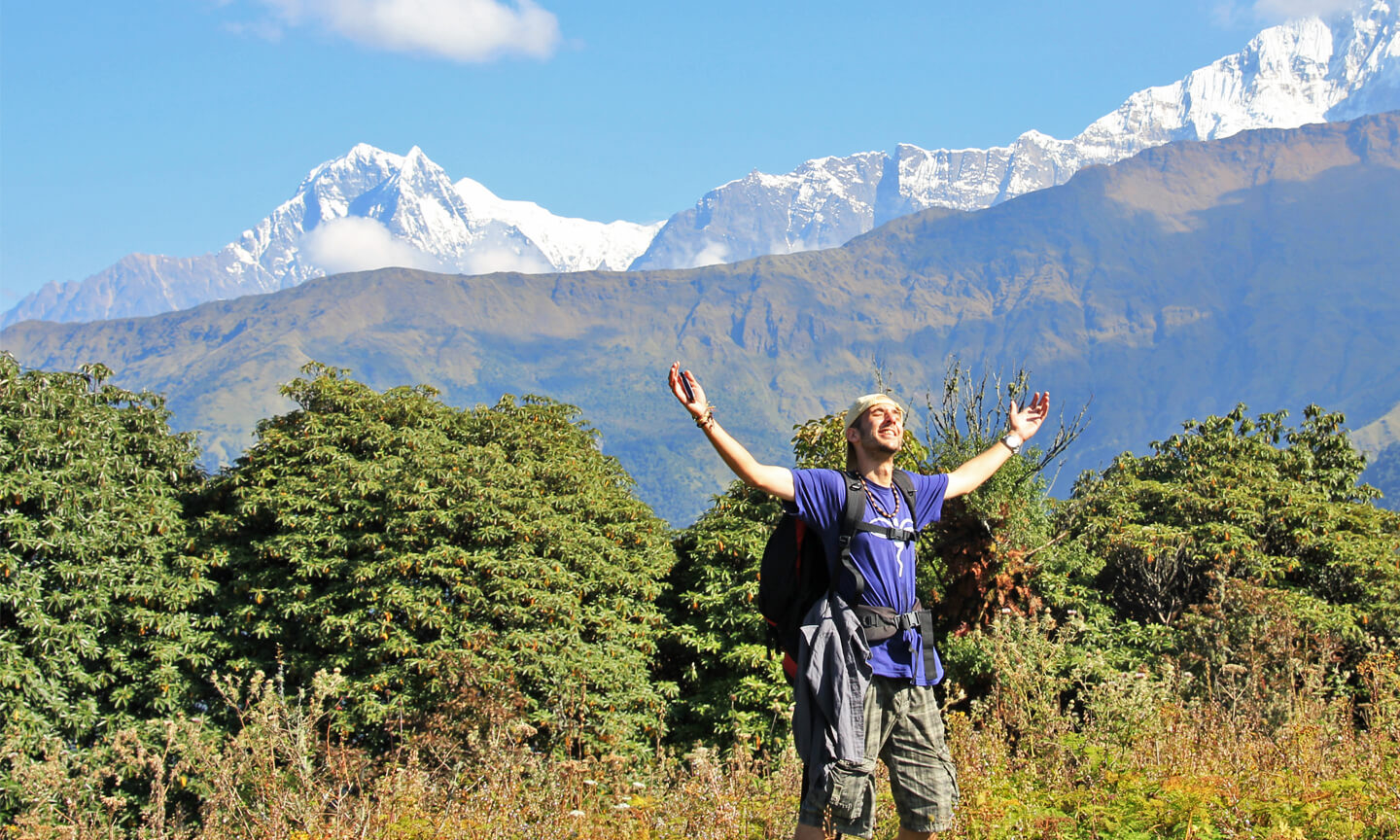
The appeal comes down to variety. Instead of choosing between a gentle cultural walk or a demanding high-altitude push, this route delivers both in one trip.
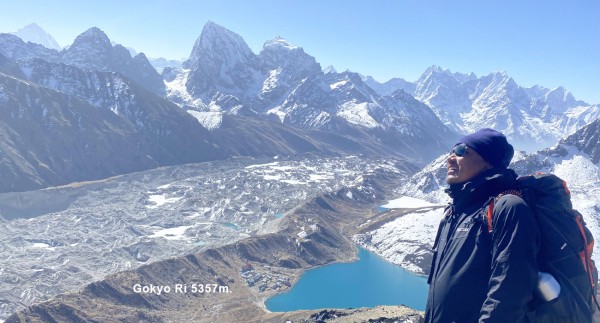
You'll start among terraced farmland and subtropical forest, climb to the legendary Poon Hill viewpoint (3,210 m) for one of the best sunrise panoramas in the world, then continue deeper into the Annapurna Sanctuary until you're standing at Annapurna Base Camp (4,130 m), ringed by a natural amphitheater of snow peaks.
Trek highlights include:
- A world-class sunrise from Poon Hill over the Annapurna and Dhaulagiri ranges
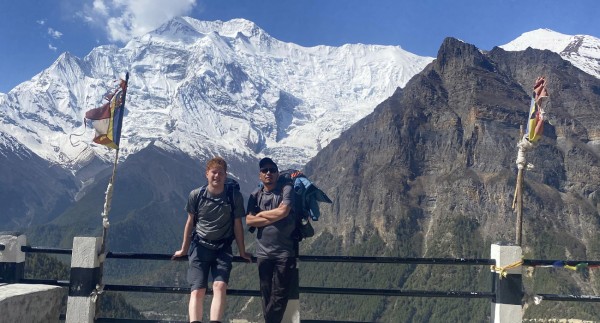
- Close-range views of Annapurna I, Machhapuchhre (Fishtail Peak), and Hiunchuli
- Walking through blooming rhododendron forests and traditional stone-paved villages
- Immersive Gurung and Magar cultural experiences along the trail
- Standing inside the Annapurna Sanctuary at 4,130 meters
If your schedule is tighter, a shorter 10-day Annapurna Base Camp route covers the core highlights at a faster pace, while trekkers wanting an even bigger adventure often look at the Short Annapurna Circuit Trek for a broader loop through multiple valleys and a high mountain pass.
Poon Hill: The Sunrise Nepal Is Famous For
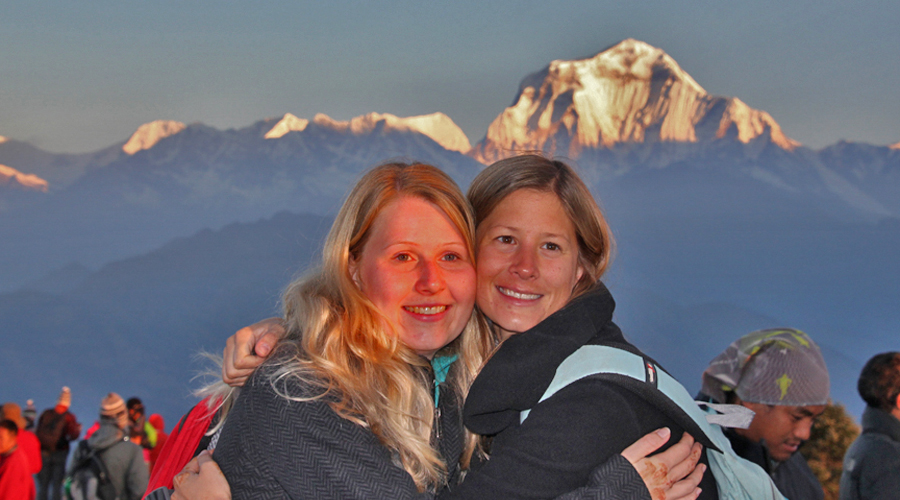
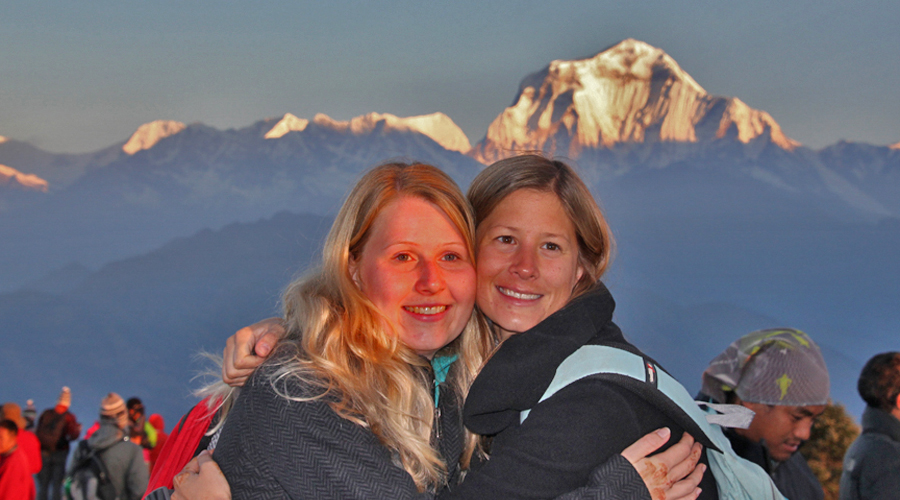
Poon Hill has earned its reputation as one of Nepal's most photographed viewpoints, and for good reason. Trekkers set out before dawn, climbing roughly 30–45 minutes from Ghorepani in the dark, torches bobbing along the stone steps, all racing the sun.
The payoff is immediate: as light spreads across the horizon, an unbroken wall of Himalayan peaks appears, including:
- Annapurna I (8,091 m)
- Dhaulagiri (8,167 m)
- Machhapuchhre, better known as Fishtail Peak for its striking shape
- Nilgiri Himal
For many trekkers, this single sunrise justifies the entire trip on its own — and it's only day three or four of the journey.
Annapurna Base Camp: Walking Into a Mountain Amphitheater
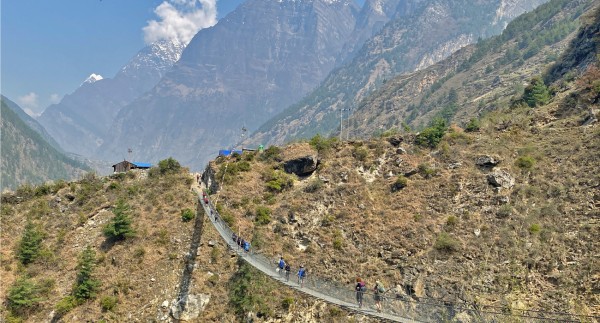
From Poon Hill, the trail drops back down before climbing steadily northward, tracing river valleys, crossing suspension bridges, and passing through forested stretches where the terrain feels increasingly remote.
The final approach to Annapurna Base Camp is where the trek earns its reputation. The trail funnels into a natural bowl surrounded almost entirely by mountains, with:
- Annapurna I
- Annapurna South
- Machhapuchhre
- Hiunchuli
rising directly around the basin. Few places in the world let you walk to 4,130 meters and be this enclosed by 7,000–8,000-meter peaks on nearly every side. It's a moment that consistently ranks among trekkers' most memorable Himalayan experiences.
Best Time to Trek: Choosing Your Season
Timing your trip well makes a significant difference to visibility, trail conditions, and overall comfort.
Autumn (September to November)
This is peak season for good reason - skies are typically clear, temperatures are moderate, and mountain visibility is at its best. Trails are busier, but the payoff in views is usually worth it.
Spring (March to May)
Rhododendron forests bloom in shades of red, pink, and white, turning the lower trail sections into a photographer's dream. Temperatures are pleasant, and the mountain scenery remains excellent.
Both seasons are widely considered the best time for the Annapurna Base Camp trek, offering the most reliable combination of clear skies and comfortable trekking conditions.
How Difficult Is the Poon Hill to Annapurna Base Camp Trek?
The Poon Hill Annapurna Base Camp Trek is generally rated moderate difficulty - challenging enough to feel like a real accomplishment, but accessible to trekkers with a reasonable base level of fitness and no prior high-altitude experience.
What to expect on the trail:
- 5 to 7 hours of walking per day
- Gradual, well-paced altitude gain for acclimatization
- Stone staircases and forested dirt trails
- No technical climbing, ropes, or mountaineering skills required
Preparing with regular cardio training in the weeks before departure — hiking, stair climbing, or long walks with a loaded daypack — will make the experience noticeably more enjoyable.
Accommodation and Meals on the Trail
This trek follows Nepal's classic teahouse trekking model, meaning you won't be camping — you'll stay in family-run lodges along the route each night.
What's typically included:
- Twin-sharing rooms in mountain teahouses
- Freshly cooked meals featuring both Nepali staples (like dal bhat) and international comfort food
- Genuine hospitality from local Gurung and Magar families who have hosted trekkers for generations
It's a comfortable way to experience high-altitude trekking without sacrificing warm meals or a real bed at the end of the day.
Permits Required for the Trek
To legally trek in this region, you'll need the Annapurna Conservation Area Permit (ACAP). A reputable trekking operator will typically handle the paperwork on your behalf, so you can focus on the trek itself rather than bureaucratic logistics.
Frequently Asked Questions
How many days does the Poon Hill and Annapurna Base Camp trek take? The standard itinerary runs 13 days, though shorter 10-day versions exist for trekkers with less time available.
Do I need previous trekking experience? No. The trail is rated moderate and is achievable for reasonably fit beginners, provided you allow time for acclimatization.
What is the maximum altitude on this trek? Annapurna Base Camp sits at 4,130 meters, with Poon Hill reaching 3,210 meters.
When is the best time to go? Autumn (September–November) and spring (March–May) offer the clearest skies and most stable weather.
Is altitude sickness a concern? Because the ascent is gradual and altitudes stay below 4,500 meters, altitude-related risk is lower than on higher routes — but proper pacing, hydration, and listening to your guide still matter.
Planning Your Trek
The Poon Hill to Annapurna Base Camp trek remains one of Nepal's most complete Himalayan experiences — combining an iconic sunrise, immersive village culture, and a genuine high-altitude achievement, all within a well-paced two-week window. For trekkers weighing their options in the Annapurna region, it's consistently one of the strongest choices for scenery-to-effort ratio in the entire country.
Whether 2026 or 2027 is your target year, early planning gives you the best shot at ideal season dates and a smoother permit and logistics process.
Recent From Blog

19th Apr, 2019


23rd Dec, 2018

11th Jan, 2024

14th Jan, 2024

29th Jan, 2025

11th Feb, 2025

18th Feb, 2025

25th Feb, 2025

5th Apr, 2025
23rd Dec, 2025
9th May, 2026
12th Jul, 2026

13th Aug, 2026
13th Aug, 2026